Finance & Accounting Automation

QuickBooks / Accounting Automation Workflow

The QuickBooks / Accounting Automation Workflow shows how business software can connect invoice, customer, and accounting workflows with QuickBooks.

Client / Project Overview

The QuickBooks / Accounting Automation Workflow shows how business software can connect invoice, customer, and accounting workflows with QuickBooks.

Business Challenge

Manual accounting updates can create duplicate entry, delays, and unclear ownership between sales, operations, and finance systems.

Solution

Technanosoft structured an integration workflow with QuickBooks API connectivity, sync rules, customer and invoice mapping, webhook-ready workflows, and review paths for exceptions.

What This Case Study Helps You Understand

Use this project as a practical reference if you are planning a similar platform, automation workflow, dashboard, integration, or secure software product.

When this type of system makes sense

Finance teams needed cleaner accounting data flow between operational tools, invoices, customers, and QuickBooks records. A focused software build is useful when the workflow needs clearer ownership, reliable data flow, better review screens, and a platform that can evolve after launch.
What the product needed to control

An accounting automation workflow for QuickBooks-connected systems, sync rules, invoice data, and reporting handoff. The important design question was not only how the screen looks, but how users move from intake to review, action, reporting, and follow-up without losing context.

Where automation or AI can create value

The most valuable automation opportunities sit around quickbooks integration, invoice sync, customer data mapping, exception handling, data validation, status visibility, and assisted decision-making.

What should be planned before development

A reliable roadmap should clarify user roles, permissions, data ownership, integrations, reporting needs, launch scope, support expectations, and the first measurable business outcome.

Features

  • QuickBooks integration
  • Invoice sync
  • Customer data mapping
  • Accounting workflow rules
  • Error review

Architecture / Tech Stack

  • QuickBooks API integration
  • Node.js integration services
  • Webhook event handling
  • Cloud backend
  • Accounting data mapping

Implementation Notes

A professional build needs the right balance of user experience, data structure, backend reliability, security, and future change. These notes show the delivery thinking behind the project.

Workflow-first UX

The interface should make the finance & accounting automation workflow easy to scan, with clear status, primary actions, review points, and next steps for each user role.

Data model and auditability

Important records should be structured for search, filtering, reporting, permissions, history, and handoff between teams instead of being trapped in loose notes or spreadsheets.

Integration readiness

The architecture should leave clean integration points for QuickBooks API, Node.js, Webhooks, notifications, reporting exports, APIs, and future AI-assisted workflow modules.

Launch and support path

The first release should be narrow enough to launch confidently, then expand through feedback, analytics, operational reports, and maintenance priorities.

Project Visuals

Only approved or representative public visuals are shown here. Additional product screens can be shared during a project conversation when permitted.

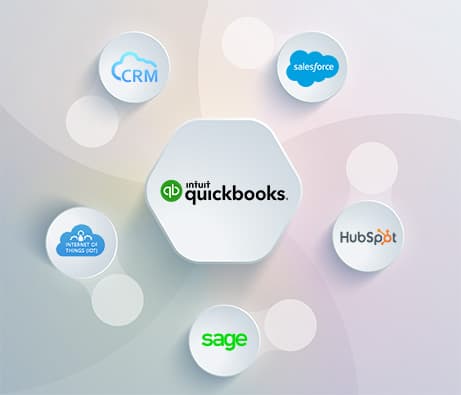
QuickBooks accounting automation integration visual

QuickBooks integration workflow

A public visual for accounting automation and third-party finance system integration.

Results

Verified public results are not published for this project, so no unverified numbers are listed.

Need a similar product or workflow?

Technanosoft can help define, design, build, integrate, and support the software behind it.

Book Free Consultation